
Andrew RADFORD

Earth #16, August 2024
Found card and polished pastel
12 x 18 cm (on board)
£600
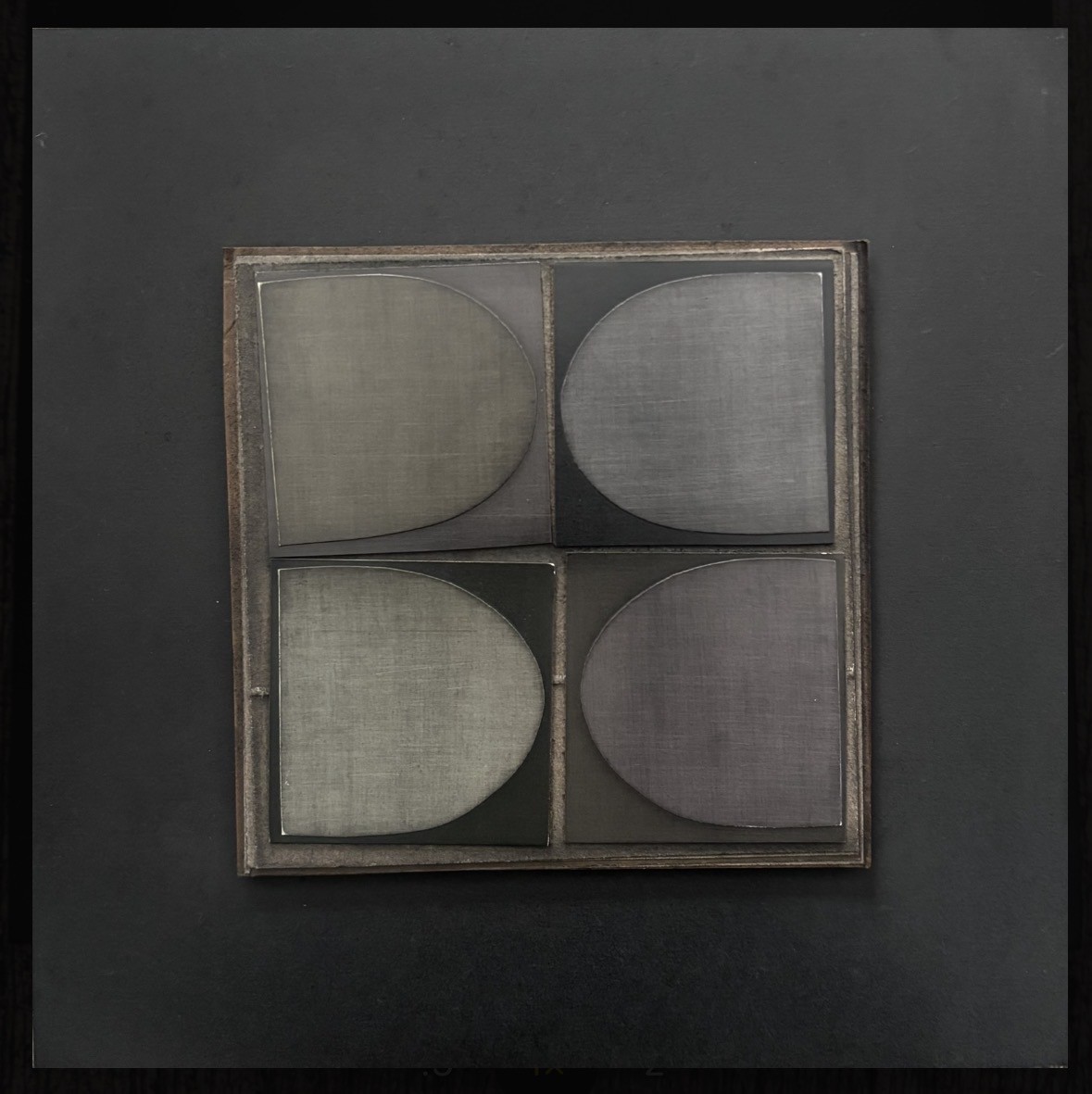
Origin #30, September 2025
Found card and board, polished pastel
41 x 16 cm (on board)
£800
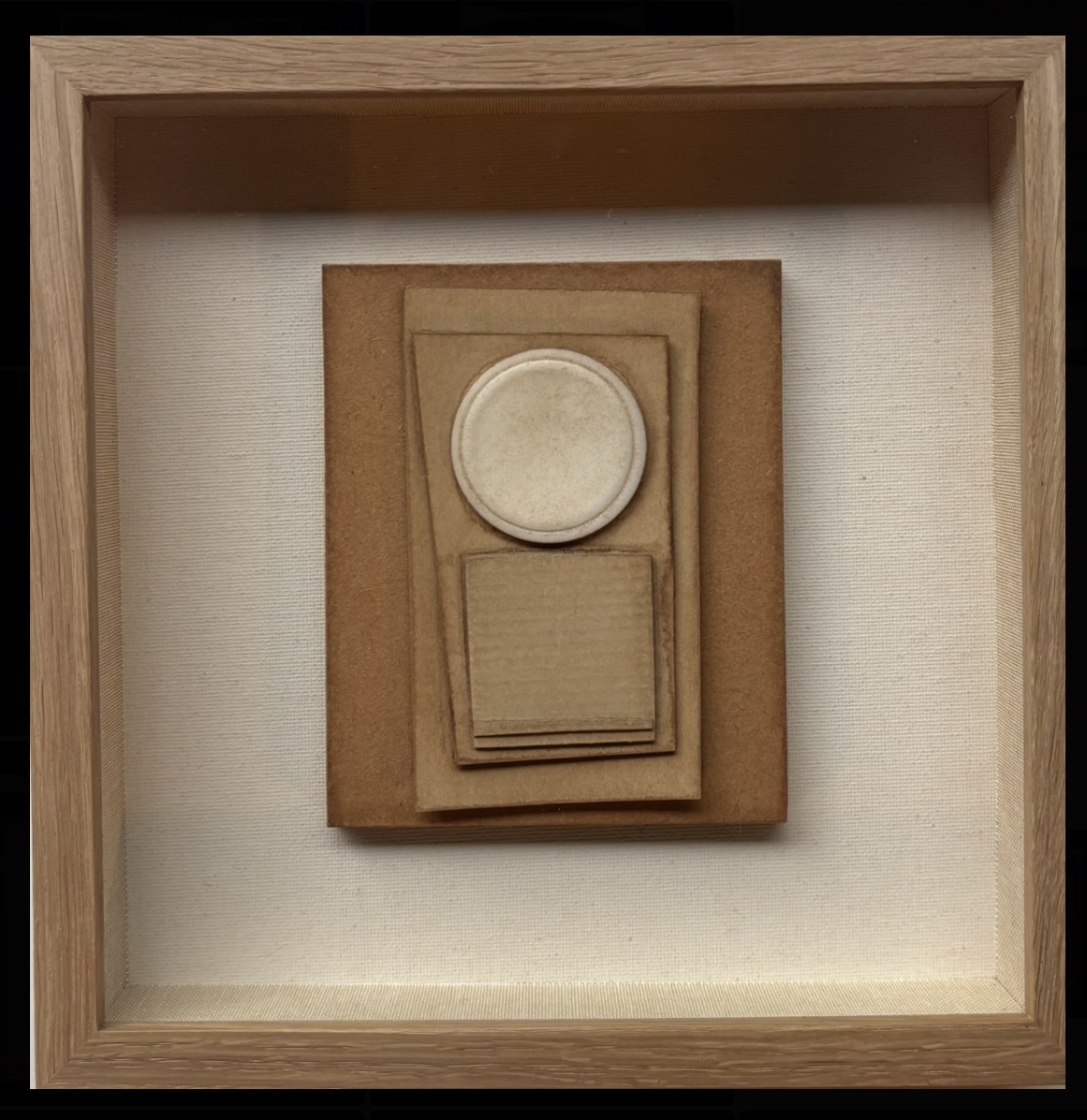
Earth #32, April 2026
Found card and polished clay
21 x 21 cm (framed)
£1,000
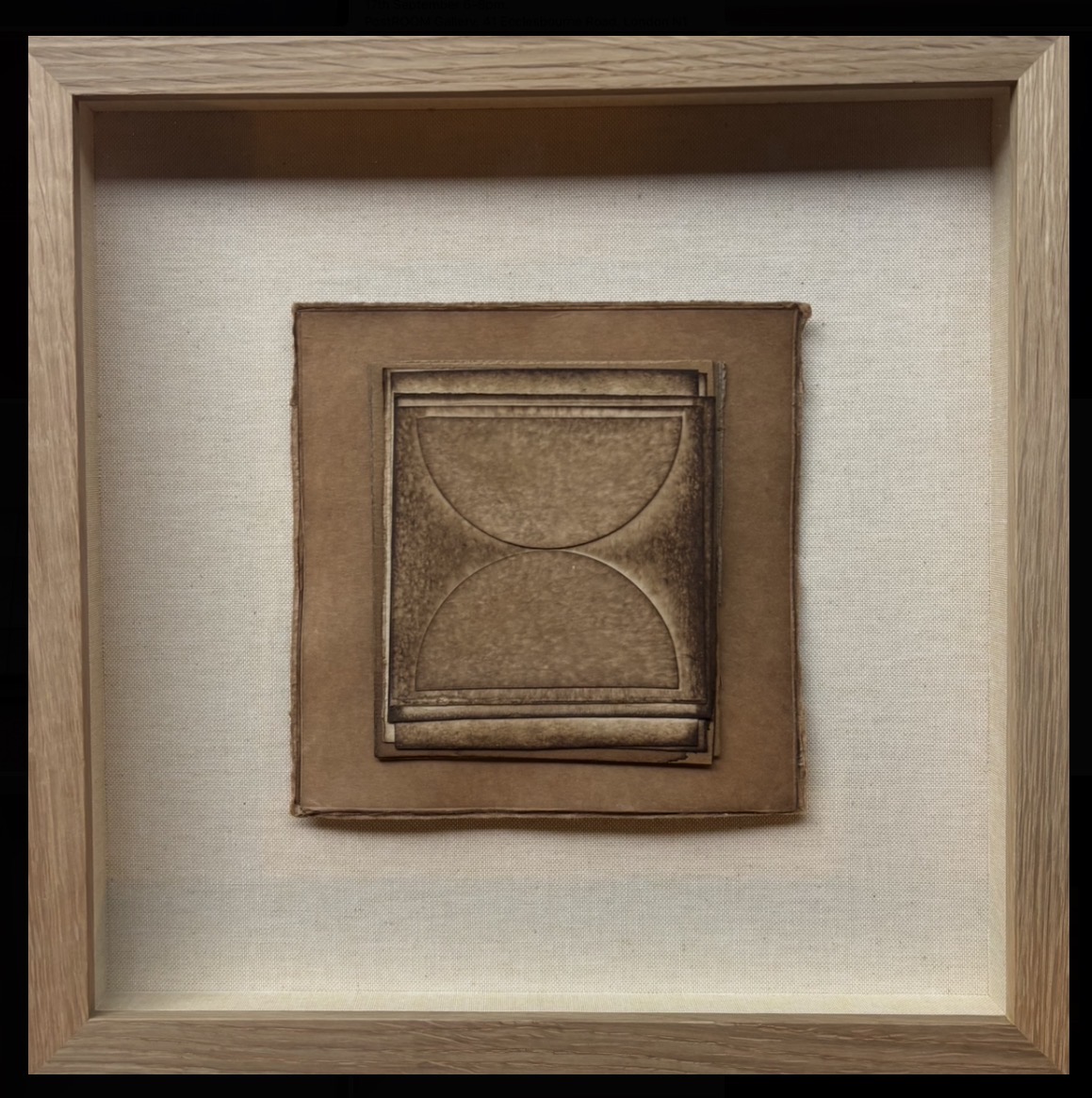
Earth #36, April 2026
Found card and polished clay
35 x 35 cm (framed)
£1,200

Earth #60, May 2025
Found card, clay and pastel
49 x 9 cm (on board)
£1,400
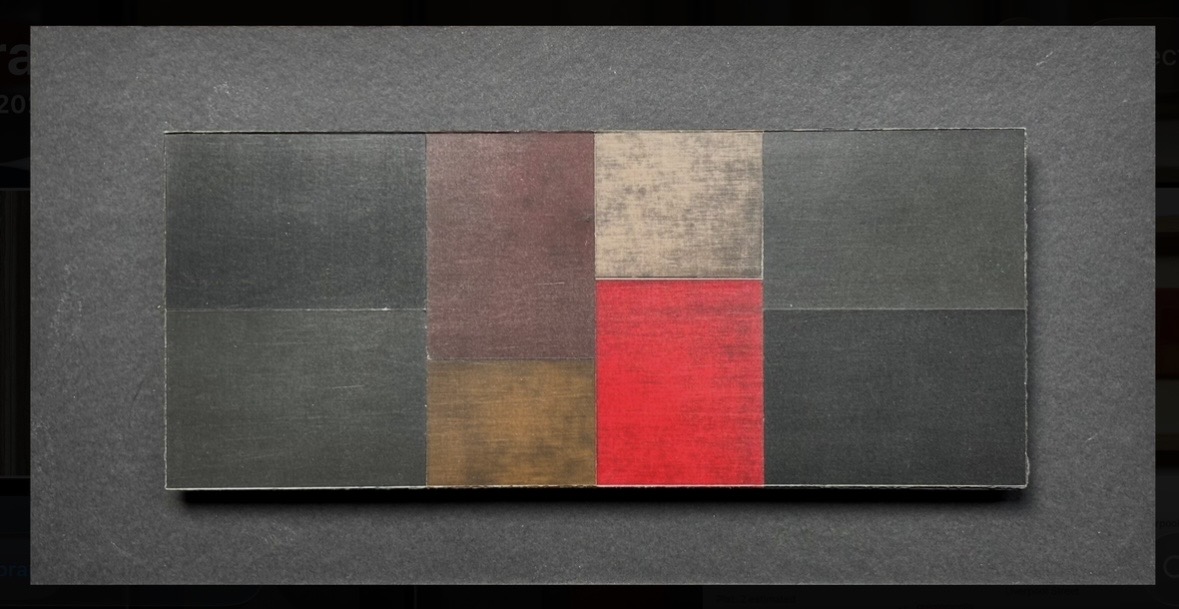
Origin #100, May 2026
Found card and polished charcoal
16 x 32 cm (on board)
£1,000
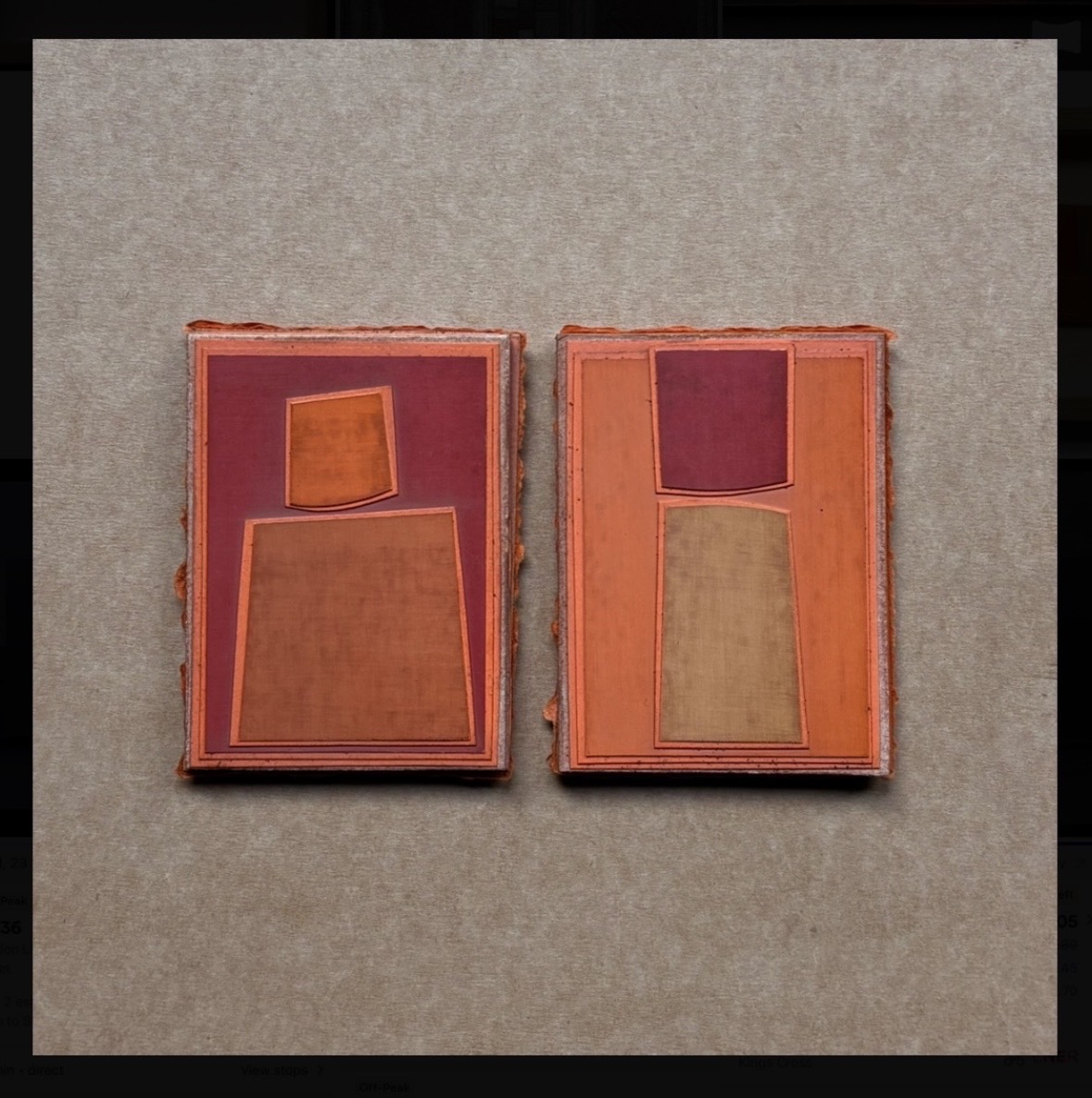
Fragile #30, July 2026
Found card and polished pastel
20 x 20 cm (on board)
£800
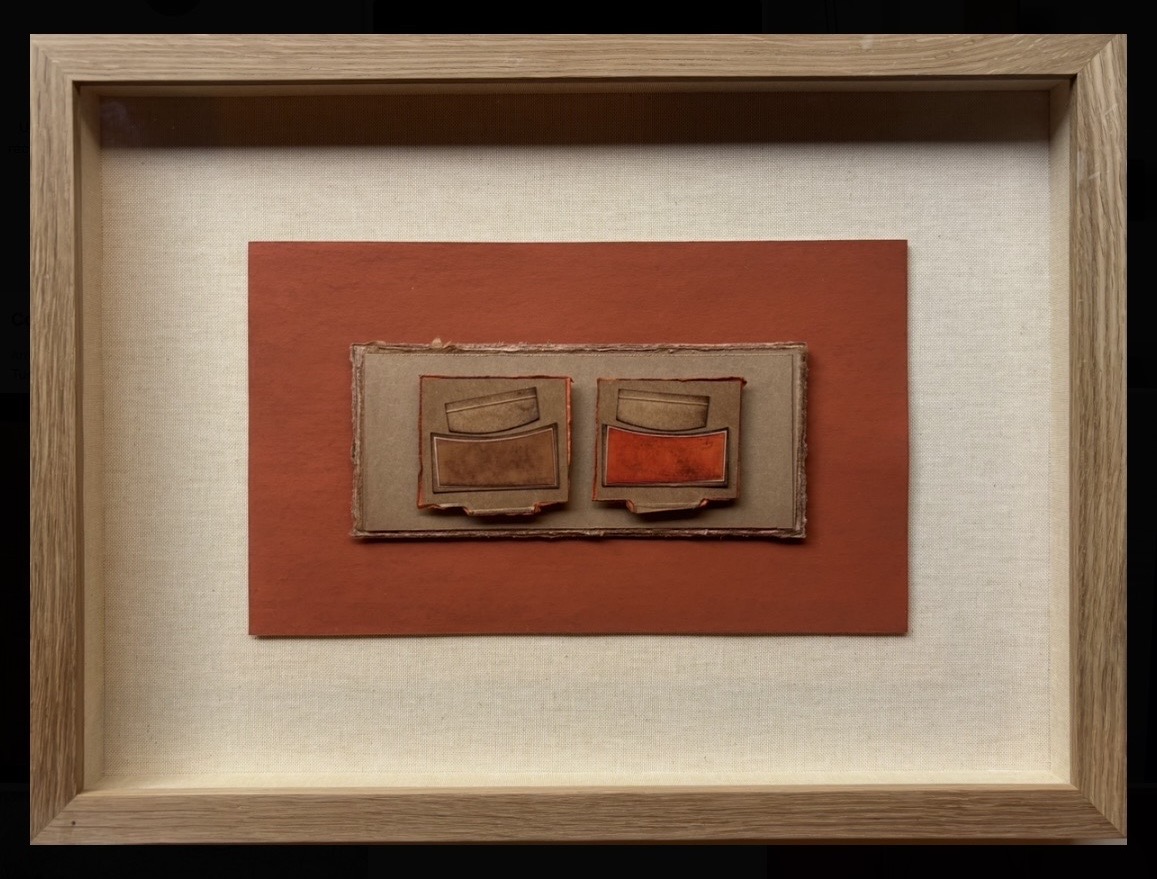
Fragile #16, May 2024
Found card and polished pastel
35 x 47 cm
£1,600
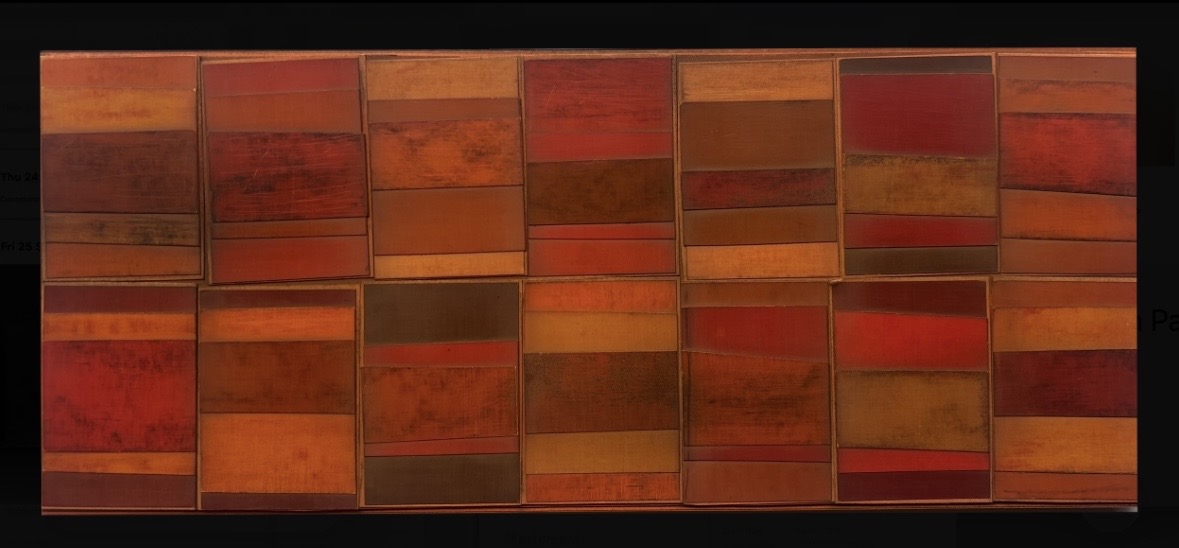
Fragile #18, August 2024
Found card and board, polished pastel
27 x 53 cm (on board)
£1,600
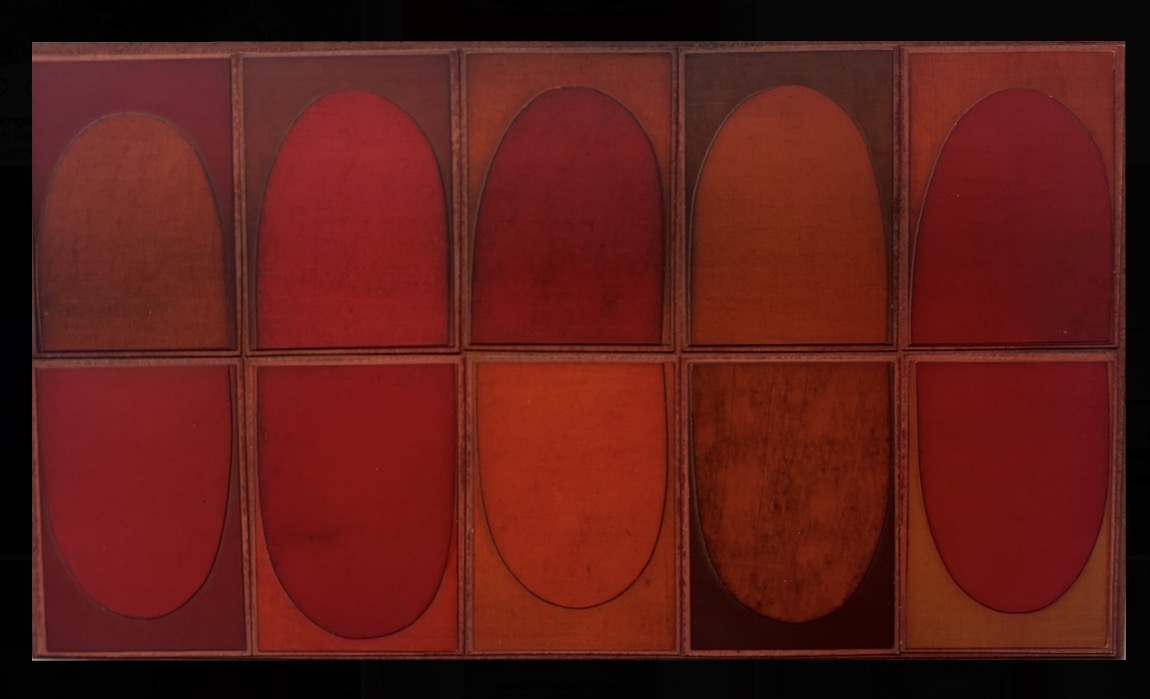
Fragile #20, June 2024
Found card and polished pastel
26 x 40 (on board)
£1,200
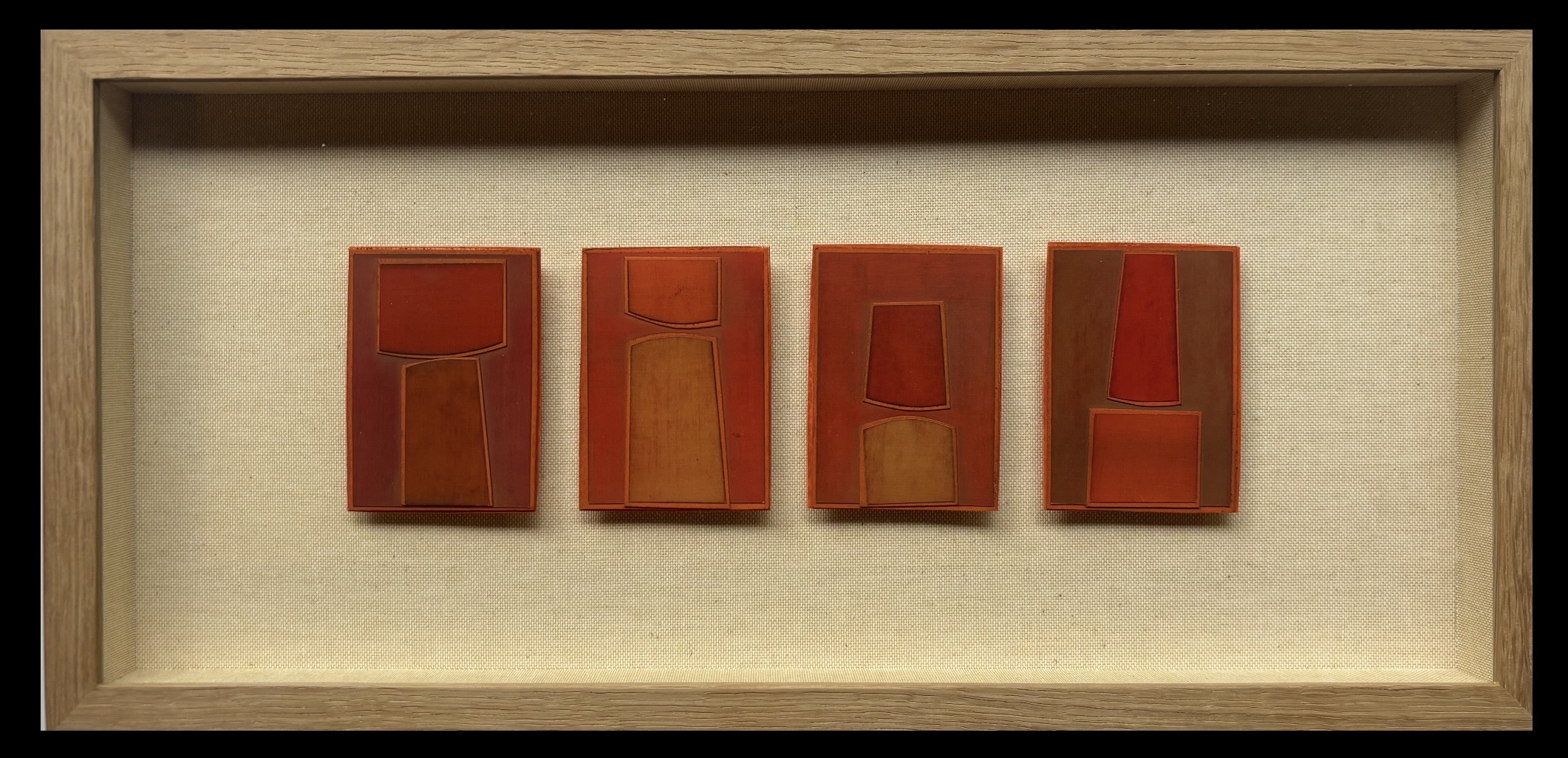
Fragile #21, July 2026
Recycled card and pastel
20 x 42 cm
Signed and dated
£1,200
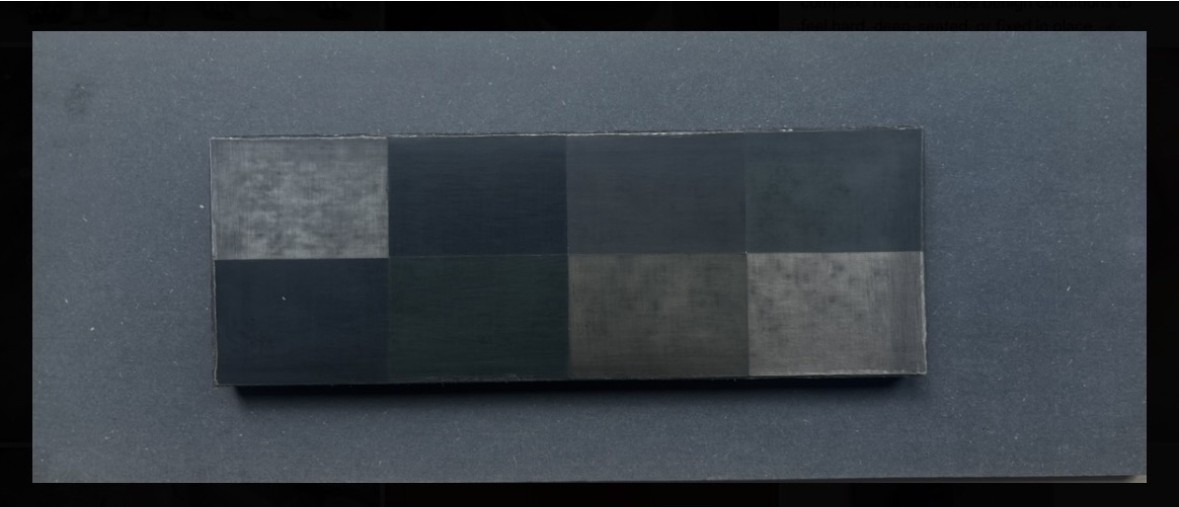
Origin #8, July 2025
Found card and board, polished pastel
20 x 50 (on board)
£1,400
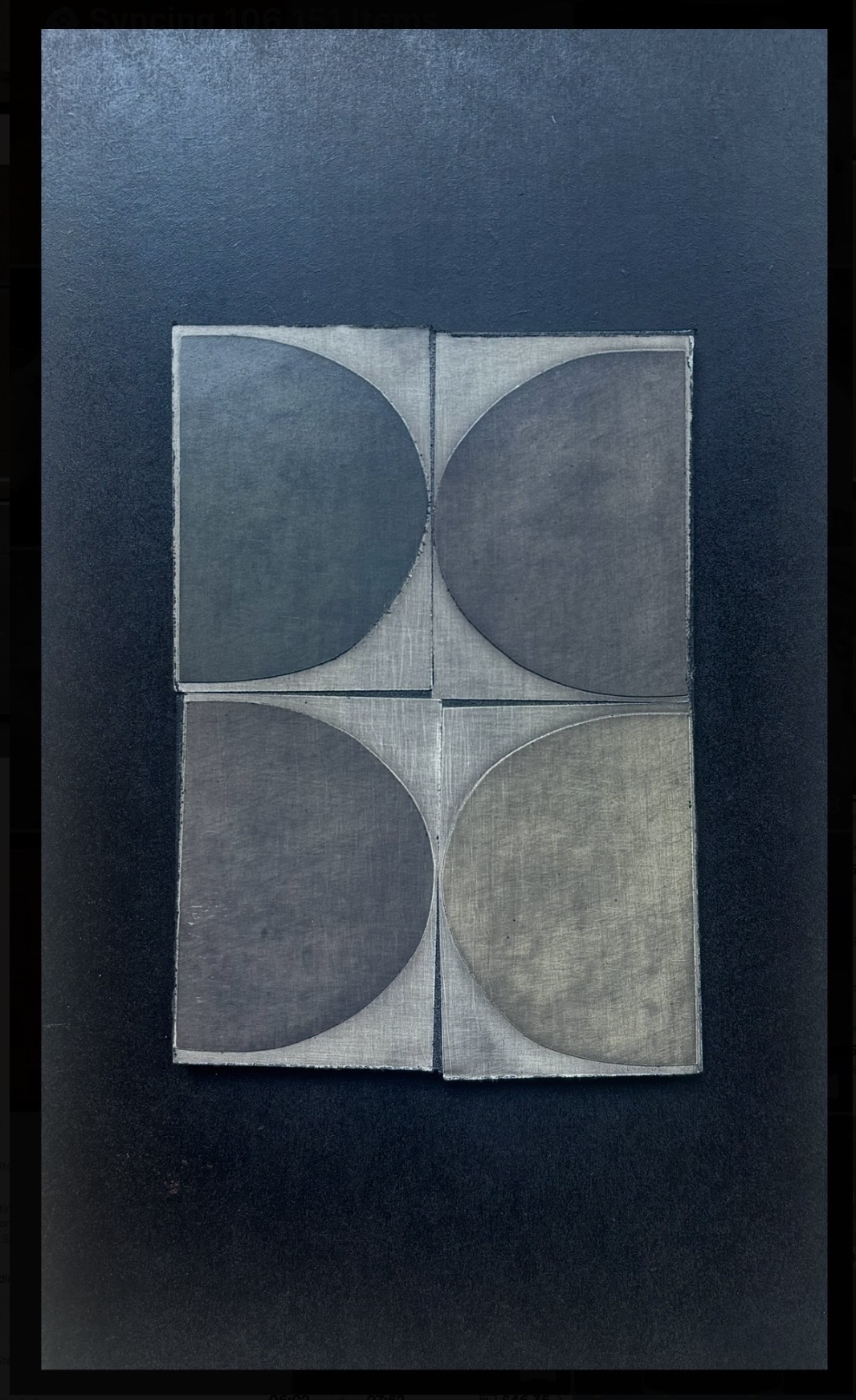
Origin #10, September 2025
Found card and board, polished pastel
28 x 16 cm (on board)
£1,000
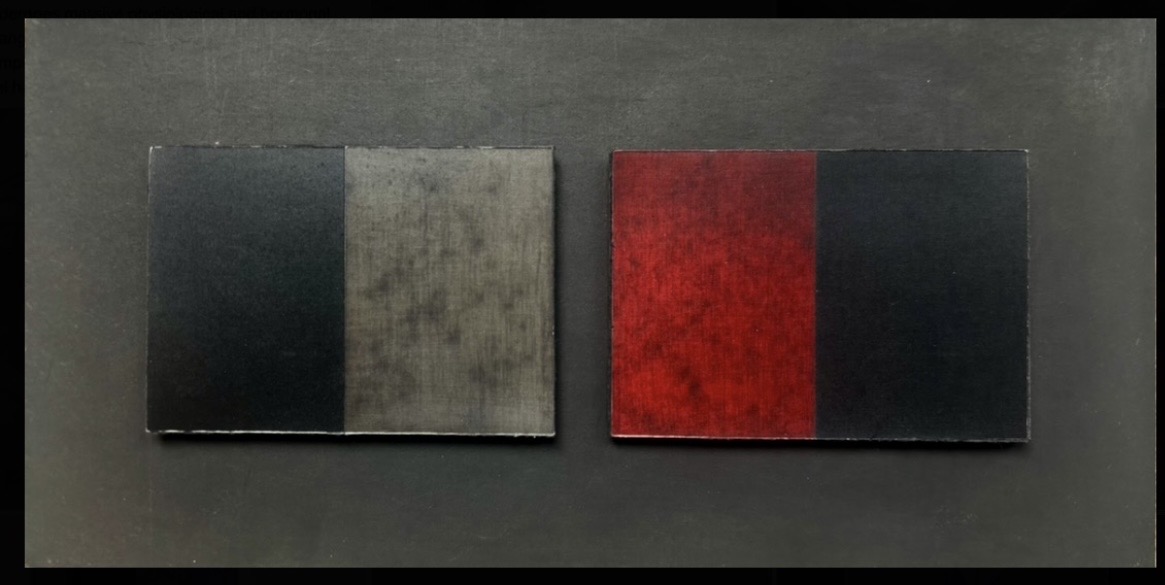
Origin #12, October 2025
Found card and board, polished pastel
14 x 28 (on board)
£1,000
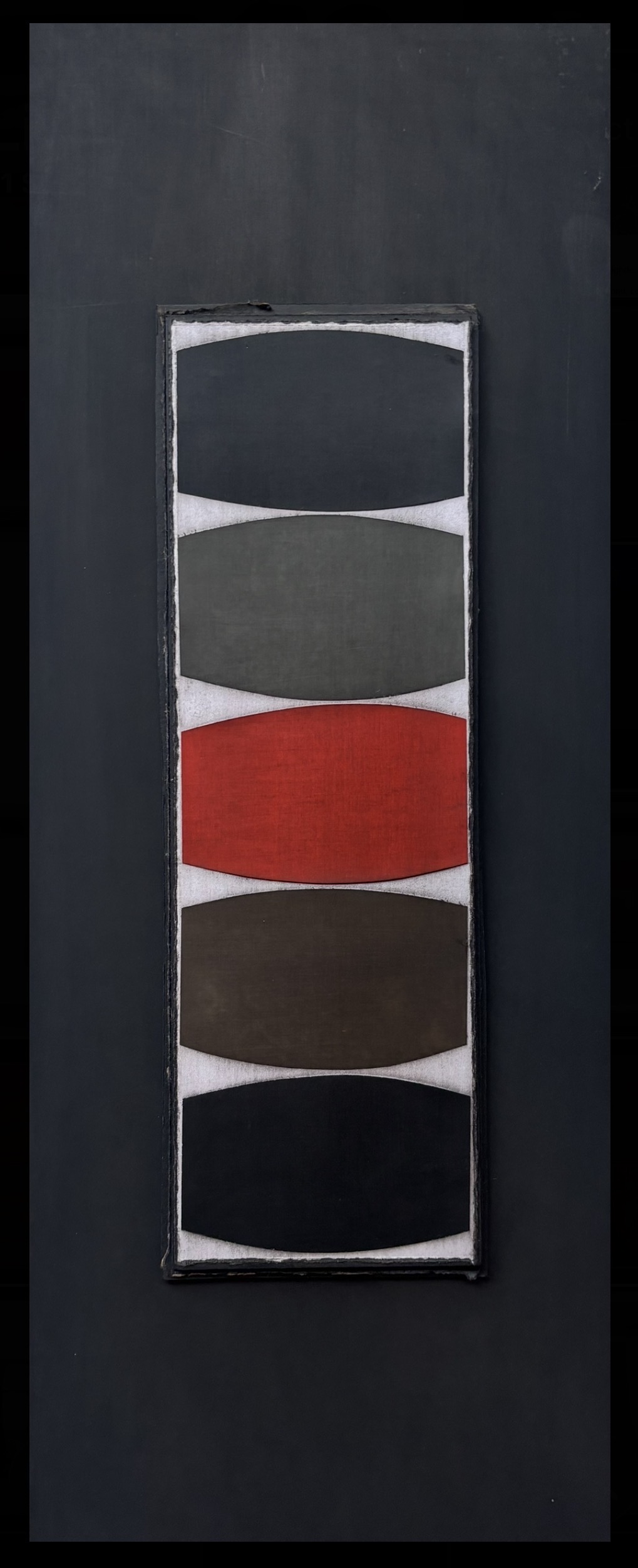
Origin #22, August 2025
Found card and board, polished pastel
41 x 16 cm (on board)
£1,200
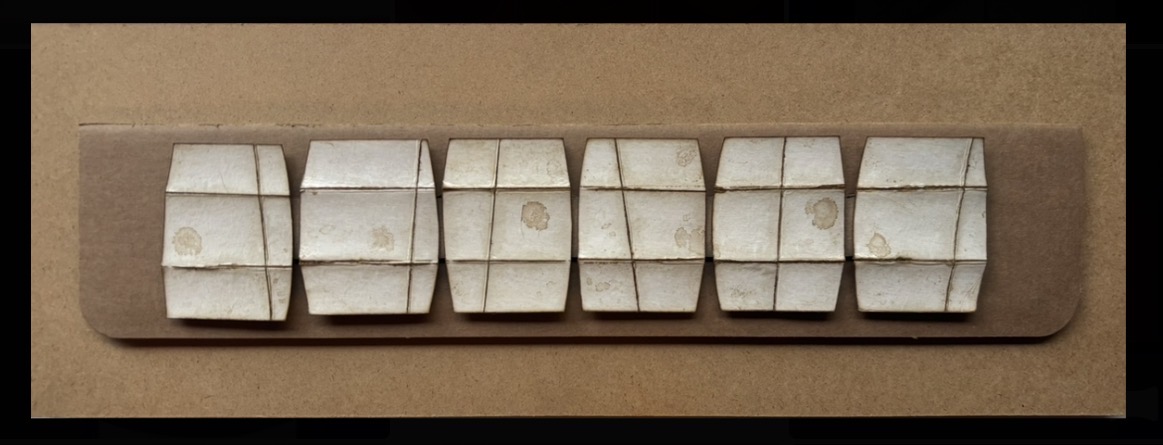
Earth #12, August 2024
Found card and polished pastel
15 x 42 cm (on board)
£1,200
ANDREW RADFORD born 1958
Born in Cheltenham, Andrew Radford moved to Scotland in 1986 and, based in Edinburgh, he has been quietly making art in his studio for over 30 years.
His work is influenced by a life-long interest in 20th century British Modernism, and architecture, and is accomplished with a meticulousness in both approach and finish (qualities Andrew Radford may owe to his parents, his father a precision engineer, his mother a test match cricket ball seamstress).
Andrew Radford's work is held in private collections in the UK, and internationally.
Andrew Radford’s practice begins with a sustained attentiveness to the overlooked. Working predominantly with discarded packaging, card, paper, metal and found natural materials, he transforms the ephemera of everyday life into carefully constructed abstract compositions. His materials are sourced from skips, streets, flea markets, junk shops and places encountered on his travels. Rather than treating them as neutral raw materials, Radford responds to their existing histories and physical properties—the folds and flaps, creases and apertures, textures, surfaces and variations in thickness that remain from their previous lives.
Through cutting, layering, shaping and burnishing, fragments of packaging are stripped of their original function and reorganised into works in which form, line, colour and depth become the primary means of expression. The process is both intuitive and analytical: an act of looking closely, testing relationships and discovering unexpected connections. Soft pastels and pigments derived from natural sources, including charcoal, clay and grass, further transform the surfaces while maintaining a tangible connection to the materials’ organic and industrial origins.
Radford’s work occupies a productive space between assemblage, collage and abstraction. Its visual restraint belies the complexity of its making and the critical questions embedded within it. Packaging—designed to protect, contain and entice—is ordinarily rendered invisible once its purpose has been fulfilled. By recovering and reconfiguring these discarded forms, Radford interrupts that cycle of consumption. What is usually perceived as waste becomes the subject of sustained attention and acquires a new aesthetic and material value.
This process carries an understated political charge. Radford’s fascination with packaging is inseparable from his frustration with the excess that characterises contemporary consumer culture and the environmental consequences of disposability. There is humour in the transformation, but also an underlying sense of unease. The works ask us to consider not simply what we consume, but what we choose to discard, preserve and value.
This approach is evident in the Found Frame, Lost and Found and Found Objects series, through which Radford has developed a distinctive language of material transformation. Packaging originally destined for landfill or recycling is shaped, coloured and burnished until its former identity is progressively obscured. The resulting works retain traces of their origins while becoming increasingly reduced and abstracted, their simplified patterns and carefully controlled depth concealing the complexity of the objects from which they emerged.
This body of work formed the basis of Radford’s first public gallery exhibition, Outside the Box, at Upright Gallery, Edinburgh, in 2024. The exhibition brought together works made over several years and stored in boxes in the artist’s home. Its title operates as both a literal and conceptual description of the exhibition: works that had remained physically contained were brought into the public realm, while materials originally designed as containers were themselves transformed into the subject and substance of the art. The phrase ‘outside the box’ also speaks to Radford’s broader practice of looking beyond conventional distinctions between waste and value, function and form, the everyday and the aesthetic.
His visual language is informed by a lifelong engagement with architecture, fine art and the natural world. An extensive experience of looking—observing, examining, analysing and making connections across disciplines—has shaped his understanding of form and spatial relationships. Visits to galleries and museums internationally, including The Pier Art Centre in Orkney, the Gulbenkian Museum in Lisbon, Kettle’s Yard in Cambridge, Louisiana Museum of Modern Art and the Henry Moore Studios at Perry Green, have contributed to his appreciation of the relationship between art, architecture, landscape and place. For Radford, the architecture that houses art is as significant as the work it contains.
The tension between fragility and permanence becomes particularly pronounced in his most recent exhibition Fragile, held at The Custom Lane Gallery, again in Edinburgh, where material concerns acquire a more personal dimension. The title operates on several levels: referring to the packaging from which the works originate while also suggesting the vulnerability of people, relationships and the structures that surround everyday life. Here, the discarded object becomes a vehicle for thinking about attachment, memory and value.
Radford’s practice ultimately proposes a reconsideration of the everyday. Through close observation and an insistence on material transformation, the overlooked is made visible and the disposable is given renewed significance. His works occupy a quiet visual register, but within that quietness lies a persistent questioning of how we live, what we consume and what—and whom—we choose to value.
Filmmaker Mark Cousins, whose work includes films on artists such as Wilhelmina Barns-Graham, is currently making a short film about Radford’s work. Entitled Fragile, the film explores the work’s materiality, process and underlying engagement with the fragility of the natural world.